Google Expands Universal Commerce Protocol in Merchant Center with Cart Transfer, Advanced Analytics, and YouTube AI Integration


Google is significantly expanding the capabilities of its Universal Commerce Protocol (UCP) within the Merchant Center hub, introducing new features designed to bridge the gap between discovery on Google and final transactions on merchant websites. Announced in a recent holiday shopping update by Ashish Gupta, Google’s Vice President and General Manager of Merchant Shopping, the rollout brings highly anticipated tools—including cart transfer functionality, expanded checkout testing, a dedicated UCP analytics dashboard, and a YouTube-focused Business Agent beta—to retailers across the United States, with international expansion slated for early next year.
The updates represent a strategic evolution in how Google manages digital commerce ecosystems. By addressing long-standing merchant concerns regarding brand disconnection and customer data isolation, Google is attempting to create a more symbiotic relationship between its search-and-discovery platforms and independent online retailers.
Chronology and Rollout Timeline
The foundation for these current updates was laid earlier in the year, reflecting a methodical development and testing schedule:
- January: Google initially launched the Universal Commerce Protocol alongside the debut of Business Agent in Search. At this time, retailers raised critical concerns about the trade-offs of transactions occurring entirely within Google’s ecosystem, noting that customers rarely visited the merchant’s actual storefront, missed cross-selling opportunities, and experienced diminished brand loyalty.
- March: Industry observations first identified the drafting and conceptual framework of the cart transfer capability, formally known as the "Transfer to merchant cart" feature, operating via the Cart API.
- May: During the Google Marketing Live event, Google officially previewed the capability allowing shoppers to seamlessly transfer selected items directly to a merchant’s proprietary website.
- September: Google updated its developer documentation to detail the UCP Analytics Reporting dashboard, giving merchants visibility into conversion metrics from the initial "Buy" button click through to final purchase fulfillment.
- Current Rollout: The UCP hub features and cart transfer pathways are rolling out gradually across the United States. According to Google’s updated support documentation, merchants in Australia and Canada are scheduled to receive access in early 2025.
Deep Dive into New Merchant Center Capabilities
The latest suite of tools integrated into the Merchant Center hub is structured to give retailers greater control over the checkout journey while streamlining technical onboarding.
Cart Transfer and Simplified Onboarding
One of the most consequential additions for retailers is the cart transfer pathway. Previously, processing transactions exclusively within Google led to friction regarding customer ownership and post-purchase engagement. By supporting the Cart API, merchants can now enable a workflow where shoppers select items on Google and seamlessly transfer their fully populated cart to the merchant’s native website to complete the purchase.
To encourage adoption, Google has streamlined the technical onboarding process. The updated developer documentation features a specialized checklist for the cart transfer option that bypasses traditional hurdles such as full product feed setup, routine product warnings, and complex customer support configurations. Furthermore, an integrated sandbox environment within the Merchant Center tab allows developers to test simulated cart and checkout requests generated by Google before pushing updates to a live production environment.
UCP Analytics and Performance Reporting
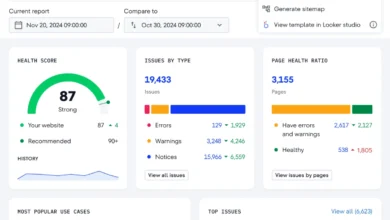
Data visibility has historically been a central pain point for brands utilizing ecosystem-locked shopping tools. The newly introduced UCP Analytics Reporting dashboard—accessible to merchants with UCP enabled and assigned the Performance role—offers granular insights into consumer behavior.
The dashboard tracks the conversion funnel starting directly from the click on the Buy button to the final completed purchase. It provides essential metrics including average order value, order cancellation rates, account linking details, and lists of top-selling UCP products. Notably, developer notes indicate that while these insights are robust within the Merchant Center hub, this specific dataset is not yet accessible via the Merchant API.
Simultaneously, the AI performance insights report has graduated from a limited pilot phase into general availability across five countries: Australia, Canada, India, New Zealand, and the United States. Available for English-language queries, this report tracks organic AI traffic metrics, share of voice, and frequency of product appearances, though it currently does not supply direct outbound click metrics.
Business Agent Expands to YouTube Ads Beta
Building upon the January launch of Business Agent in Search, Google is introducing a new U.S. beta program for Business Agent tailored specifically for YouTube ads.
This program embeds a branded, interactive AI agent directly into a retailer’s video advertisements. Without disrupting their viewing experience or leaving the YouTube platform, consumers can interact with the agent to browse catalog items, ask specific product questions, and receive real-time answers. While Google has not yet disclosed specific qualification criteria or the expected duration of the beta testing period, the move signals a major push toward conversational, in-stream commerce.
Industry Implications and Strategic Analysis
The continuous refinement of the Universal Commerce Protocol highlights a delicate balancing act for modern search engines and e-commerce platforms. Retailers have long walked a tightrope regarding Google’s shopping ecosystem: while the platform drives immense top-of-funnel discovery and transaction volume, hosting transactions entirely on Google can alienate brands from their customer base.
Industry analysts note that the introduction of the cart transfer feature serves as a direct concession to these merchant anxieties. By empowering shoppers to move effortlessly from Google’s discovery interface to the merchant’s native domain with their shopping cart intact, retailers retain the opportunity to showcase complementary accessories, reinforce brand identity, and capture first-party data.
At the same time, the dual-layered approach to analytics—combining high-level AI performance metrics (such as share of voice and visibility) with bottom-of-funnel UCP transaction data—provides brands with a clearer picture of return on investment. However, the current limitation preventing UCP analytics data from syncing with the Merchant API suggests that full enterprise integration remains a work in progress.
Outlook and Next Steps for Retailers
As the rollout progresses across the United States and prepares for international expansion into Australia and Canada next year, retailers are advised to proactively audit their Merchant Center accounts.
Merchants currently utilizing UCP integration tabs can verify their eligibility and check for the presence of the new Analytics and cart transfer integration modules. Those interested in accelerating their adoption can submit interest forms through the official Google Merchant Center support channels, provided they meet the requisite technical setup standards.
As conversational AI tools like Business Agent take root in video advertising environments like YouTube, the boundary between content consumption and transactional e-commerce will continue to blur, making these foundational UCP tools increasingly vital for digital retail strategies.